Colorado Professional Teacher Licenses last seven years. Renewal is more than collecting 90 hours: some teachers must document a 10-hour special-topics minimum, and specified endorsements trigger a separate 45-hour English Learner professional-development requirement. Check the endorsement on the license itself, then plan the evidence in the Colorado Online Licensing (COOL) system. This guide covers the Professional Teacher License; Initial, administrator, special-services, and CTE credentials use their own checklists.
Start with the license and the renewal window
An active Professional Teacher License needs 90 contact hours, six semester hours, or a combination of applicable professional learning. Count activity completed during the seven-year license period. If the license has expired, the qualifying activities generally must fall within the seven years immediately before the application date. Do not reuse a spreadsheet's older five-year window.
Colorado is flexible about many professional-development choices, but the learning must be applicable to the educator's endorsement or practice, Colorado academic standards, educator-quality standards, school culture/climate, leadership, or student safety and well-being. CDE does not pre-approve every workshop or CEU. The educator attests to relevance in the online application, and CDE may audit the record.
Meet the 10-hour behavioral-health and disability minimum
For professional teacher licenses expiring on or after June 30, 2025, at least 10 of the 90 hours must address both: (1) behavioral health that is culturally responsive, trauma-informed, and evidence-informed; and (2) awareness of laws and practices for educating students with disabilities, including Child Find and inclusive learning environments. Include at least one hour in each area. The remaining hours within the 10-hour minimum can be split between them, but the 10 counts inside—not on top of—the 90-hour total. This requirement recurs each seven-year renewal cycle.
| Requirement | Who / when | Hours | How it fits |
|---|---|---|---|
| Professional teacher renewal | All Professional Teacher licenses | 90 total | 7-year active period; expired: 7 years before applying |
| Behavioral health + disability awareness | Teacher licenses expiring on/after June 30, 2025 | At least 10 total; minimum 1 in each topic | Included within the 90; repeats each cycle |
| English Learner PD (ELPD) | Listed endorsements expiring on/after Sept. 1, 2025 | 45 hours / 3 semester credits | One-time designation; counts within 90; old mapped PD/work experience may qualify |
Check whether an endorsement triggers 45 hours of English Learner PD
A one-time 45 contact hours (or three semester hours) of Culturally and Linguistically Diverse (CLD) education is required for Professional Teacher licenses with an elementary, English language arts, math, science, social studies, or middle-level endorsement expiring on or after September 1, 2025. It applies regardless of the subject you currently teach. It is not a 45-hour add-on: the hours can fill half of the 90-hour renewal total. Educators with a CLD, CLDB, LDE, or LDEB endorsement have already met this designation requirement.
There are two useful ways to document prior learning. A CDE-approved English Learner Professional Development (ELPD) program can provide a completion certificate. Or submit CDE's English Learner PD Standards Matrix, mapping qualifying previous coursework and professional development to every required standard element. Previous relevant PD may count even if it was already used toward an earlier renewal total, and the ELPD history is not limited to the current seven-year activity window. Up to 10 of the 45 hours may come from relevant work experience implementing the standards in your teaching assignment; attach a supervisor-signed verification letter. Do not assume a general ELL attendance certificate meets every matrix element.
Convert hours and credits without double-counting
CDE's conversions are 1 semester hour = 15 contact hours; 1 quarter hour = 10; and 1 CEU = 10. Six semester hours equal 90 contact hours. A three-semester-hour course can count as 45 hours toward the 90 and can also support the ELPD matrix if its content meets those standards; keep the two requirements visible in your record. Do not count the same learning twice within the 90-hour sum.
Qualifying options include relevant college coursework, district/BOCES in-service, conferences and workshops, online learning, internships or externships, and certain educator work or service activities. For college credits, upload an official transcript showing the course, credits, and grade. For a workshop or in-service, keep a certificate or provider letter with your name, date, title, hours, provider identity, and verification/signature. District transcripts may be accepted for in-service. If you live or work outside Colorado, CDE says out-of-state district learning must relate to your endorsement or teaching practice.
Submit a complete COOL application
The renewal application runs through CDE's COOL licensing system. Prepare a valid government-issued ID, the PD certificates or transcripts, and—for the ELPD route if needed—the approved-program certificate or completed standards matrix and work-experience letter. The current professional-teacher renewal fee is $90. CDE states application fees are nonrefundable, so use the Professional Teacher Renewal Checklist before paying.
Submit before the expiration date if you can. CDE says a credential expires at 12 a.m. on the date printed on it, an incomplete application expires after 60 days, and an unprotected background check expires after 30 days. Check COOL for notices and status after submitting, and download the new credential once issued. A submitted or incomplete application is not the same as a renewed license.
Keep separate requirements separate
The English Learner designation is an individual licensure-renewal requirement for the listed endorsements. The READ Act has separate district/employment requirements for particular reading roles; where qualifying PD also meets the renewal standard, it may contribute to the 90 hours, but a district READ Act completion record does not automatically prove your personal COOL renewal is complete. Principal/administrator E-Train applies to those credentials, not a Professional Teacher License. New endorsements are also separate applications.
A manageable seven-year record routine
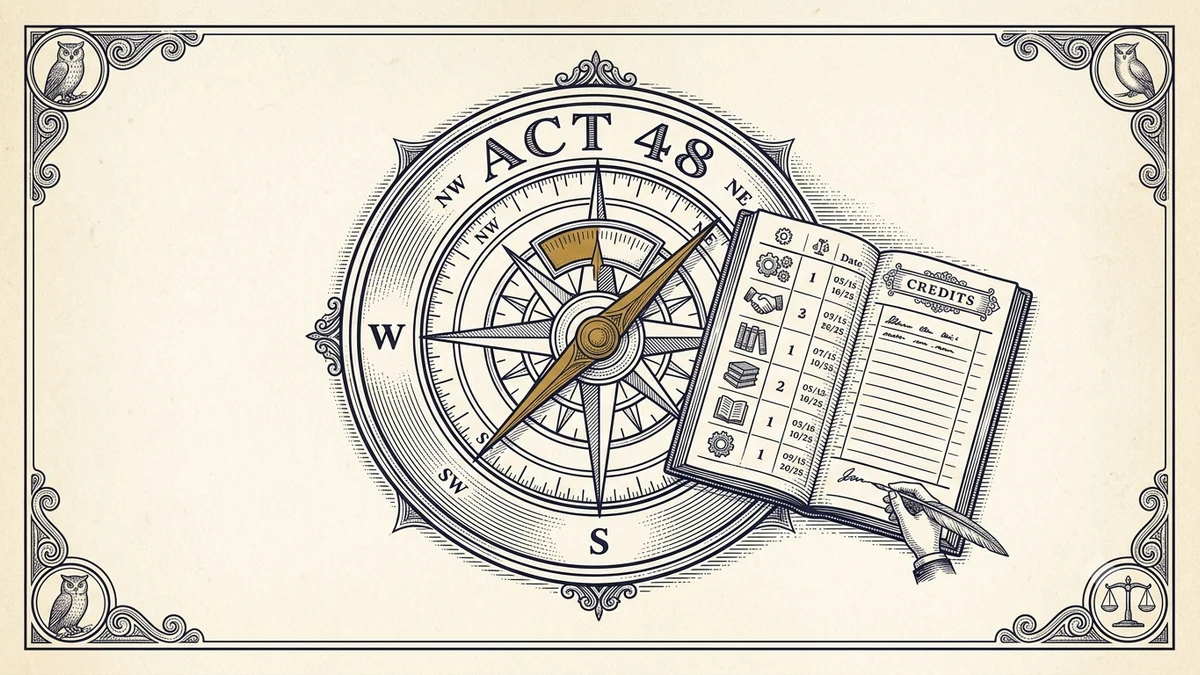
After each course or school year, save the certificate or transcript in one renewal folder and update a contact-hour tally. Keep a second note showing which hours count toward behavioral health, disability law, and—if applicable—ELPD. Around years five or six, compare the file with the current CDE checklist, resolve any matrix gaps, and request official college transcripts early. Before submitting, confirm the license type, cycle dates, endorsement list, and COOL document status.
- Check license type, endorsements, and dates
- Total qualifying learning and mark each required category
- Gather official transcripts, course records, and any ELPD matrix
- Submit complete application and fee in COOL before expiration
- Track notices and download the renewed credential
What high-ranking guides add—and what to verify
The Teaching-Certification.com 2026 guide is strong on the current 10-hour and ELL thresholds and explains the active-versus-expired date window. Credits for Teachers adds practical conversion and PD-activity examples, but its commercial pages mix renewal advice with course and salary-lane promotion; verify provider acceptability and which requirements are one-time. Model Teaching clearly groups the 10-hour and 45-hour rules by educator role, though its course bundle pitch is not an independent approval. CDE's own checklist and ELPD matrix resolve the key details: the 10 hours are in the 90 total, the 45 ELPD hours count toward that same total, prior mapped work can be accepted, and up to 10 ELPD hours can be documented from relevant teaching experience.
Frequently asked questions
### Is 90 hours still the Colorado renewal total?
Yes, for a Professional Teacher License: 90 applicable contact hours, six semester hours, or a combination. The 10-hour topic minimum and any applicable 45-hour ELPD requirement are met within that total.
### Which endorsements need 45 hours of English Learner PD?
Elementary, English language arts, math, science, social studies, and middle-level endorsements on Professional Teacher Licenses expiring on or after September 1, 2025. The rule applies regardless of the content currently taught; CLD, CLDB, LDE, and LDEB endorsements already satisfy it.
### Can older coursework count for the ELPD matrix?
Yes. CDE permits mapping past relevant coursework and PD, including activities previously counted for renewal. Submit the standards matrix; up to 10 hours may also be supported by a supervisor's letter verifying relevant teaching work.
### What if my Professional Teacher License has expired?
CDE generally requires the 90 hours in the seven years immediately before the application. Follow the expired-license renewal checklist and confirm background-check timing; the license does not authorize service after its expiration date.
### How much is renewal?
CDE's current Professional Teacher License checklist lists a $90 application fee. It is nonrefundable; check the live checklist for updates before filing.