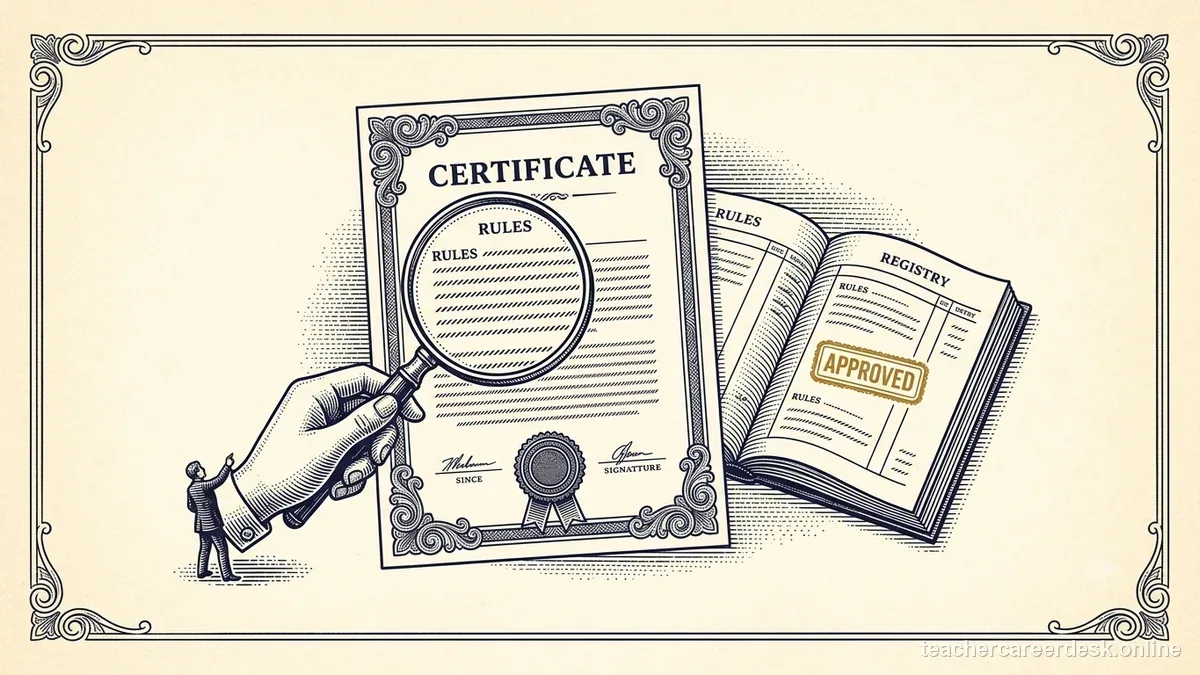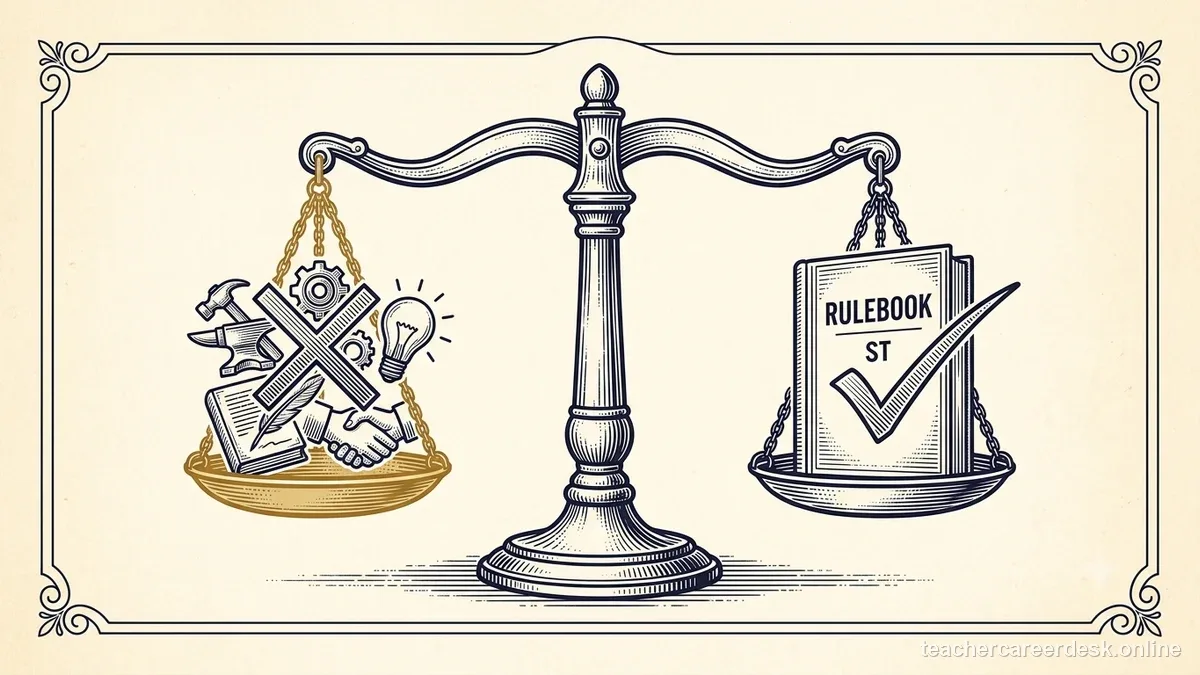
Professional development can be valuable for teaching and still not qualify for license renewal. There is no national approval list or universal definition for renewal credit. The licensing agency’s rule for your exact credential and renewal cycle controls; employer salary-credit rules may be different.
Check six things before you enroll
1. Credential and renewal route. Confirm the state, license type, role, and whether you are renewing an active credential or restoring an expired one. The agency can use different requirements and date windows for each.
2. Sponsor or activity approval. Some states require an approved provider or a specific route to have an activity recognized. Texas recognizes CPE from approved providers and names pre-approved organizations. Colorado, by contrast, says it does not pre-approve every general workshop; it expects the educator to explain how the activity fits professional standards and may audit it. Do not assume a provider’s national marketing language settles your state’s rule.
3. Content and required categories. Check whether the hours must relate to your endorsement, teaching practice, or a named category. A broad classroom-management webinar might contribute to a general total but not satisfy a special requirement such as dyslexia, literacy, equity, disability instruction, or ELL learning.
4. Completion date. Confirm the activity falls inside the correct license cycle or permitted look-back window. A course completed before the cycle may count in a state-specific exception, but do not move it into a new cycle without an explicit rule.
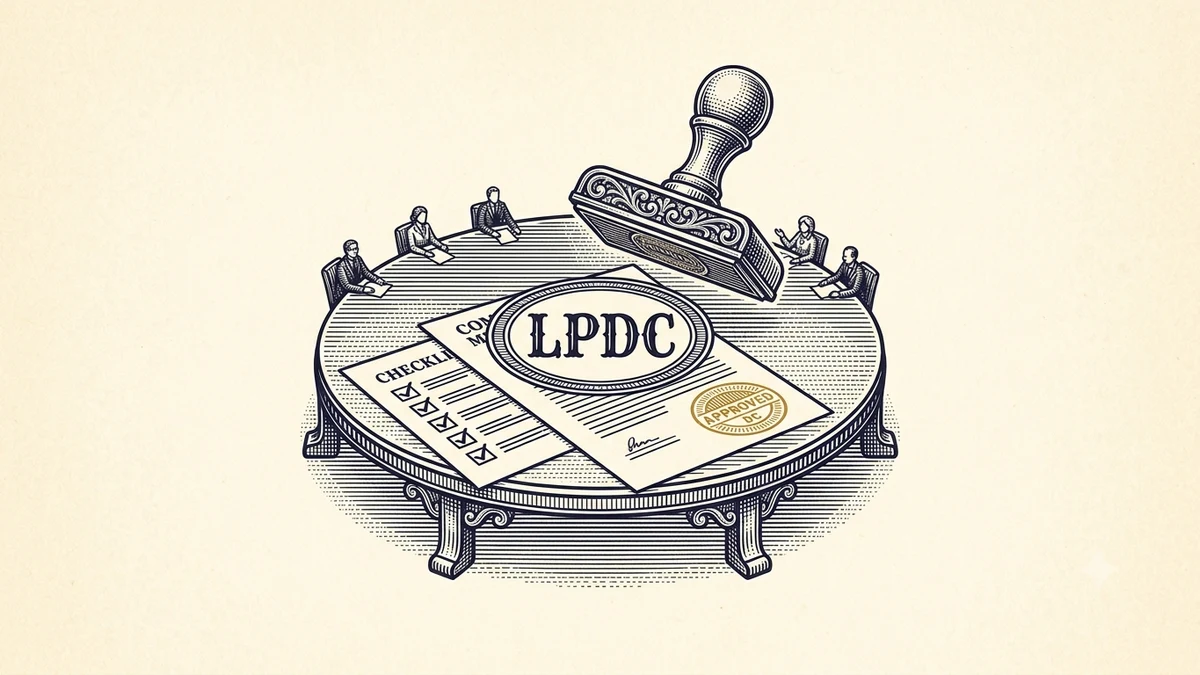
5. Unit and conversion. Identify whether the state awards clock/contact hours, CEUs, semester or quarter credits, or points. These labels do not convert the same way everywhere. For example, Texas uses 15 CPE hours per semester credit; Colorado uses 15 contact hours per semester credit and 10 per quarter credit or CEU; Ohio accepts the full renewal mix through its LPDC/state rules. Use the conversion published for your own route.
6. Evidence and reporting. Find out whether the provider reports completion directly, whether you must enter the activity yourself, and whether proof is uploaded now or retained for a later audit. Save the completion record before the provider portal closes.
Activities that may count—after the state check
These are common possibilities, not a national guarantee:
- College or university coursework tied to education, an endorsement, or teaching practice. The state may require an official transcript or an accepted institution.
- District or agency in-service, workshops, conferences, or online courses. Check provider status, registration, topic, attendance, and the state unit awarded.
- Mentoring, coaching, presenting, curriculum work, committee service, research, or professional publications. These are accepted only in some systems and may require advance approval, a supervisor’s verification, evidence of active participation, or category caps.
- Professional Growth Plans or other job-embedded learning. These may require a plan written before the work, standards alignment, evidence, and a qualified reviewer.
- National Board certification or renewal. Some states give this a special equivalent or alternative pathway; the exact credential, dates, and license type matter.
Independent reading, podcasts, routine staff meetings, volunteer work, or passive webinar viewing are frequent sources of confusion. A state may allow a documented form of self-study but exclude informal reading; it may count a planned mentoring program but not ordinary job duties. Ask how the rule treats the specific activity, not whether it sounds educational.
Three state examples show why one rule cannot travel
Texas: Standard-certificate renewal requires CPE from approved providers. TEA accepts several activity types, but applies limits to some categories such as independent study, presentations, and mentoring. Educators attest at renewal and retain records for five years for a possible audit. A certificate of attendance by itself does not override provider or category rules.
Colorado: The state generally gives educators flexibility to select applicable learning rather than pre-approving each workshop. Activities must connect to the educator’s endorsement or accepted professional standards, and the educator describes that fit in the renewal application. Some experiences—such as committee work or educational travel—need extra verification and a written log.
Virginia: A five-year renewable license uses 180 professional-development points and the Board’s accepted options and manual. Renewal also includes required trainings; some are universal and others depend on endorsement or role. A course can be useful but fail to fill a required point category if it is not the specified module or training.
These examples are illustrations, not substitutes for your state’s current certificate-specific instructions.
Ask the provider or licensing office a precise question
Before paying, send the title/link, provider name, intended completion date, your certificate type, and the requirement you plan to fill. Ask: “Will this exact activity be recognized for my current credential and renewal cycle, in which state category, for how many units, and what documentation or reporting step will I need?” Save the written answer and the official rule or provider-list entry. A general response such as “our courses are accepted nationwide” does not answer those details.
| Example state | Provider rule | What to document | Special caution |
|---|---|---|---|
| Texas | Approved CPE providers | Activity record; retain for 5-year audit window | Caps apply to some categories |
| Colorado | Many activities not individually pre-approved | Alignment to standards; category-specific logs/verification | Relevance and date window matter |
| Virginia | Accepted PD options under Board guidance | Point value plus required training completion | Endorsement/role training is additional |
Keep a renewal-credit record
Use one row per activity and keep these fields: date completed; title and learning objectives; provider/sponsor; provider approval or rule; credential category filled; unit and conversion; amount claimed; evidence filename; and reporting status. Store certificates, agendas or syllabi, transcripts, attendance records, PGP approvals, and supervisor letters together.
Review the record once or twice each year against the official state checklist. Check totals and each special-topic bucket separately. If you change states or hold several certificate types, keep a different sheet for every issuing agency; one activity may be usable in one jurisdiction and not another.
What top search guides get right—and where to be careful
Teacher Renewal Desk’s 2026 overview gives a useful screening funnel: sponsor, state recognition, unit, topic, date, and evidence. LegalClarity usefully stresses that renewal varies by jurisdiction, but it makes broad national claims about how many states accept micro-credentials without tying them to individual current rules. Teachers-Blog provides activity examples and conversions but overstates that college courses and district workshops count universally; both still depend on state eligibility and documentation. The safer takeaway is to treat each course as pending until the licensing agency’s own rule or provider list confirms it.
Frequently asked questions
### Does any workshop count toward teacher license renewal?
No. Check your state’s accepted activity, provider or sponsor rules, credential category, completion dates, units, and evidence requirements.
### Are online courses accepted?
Often, but not automatically. A virtual format does not waive provider, content, timing, or participation requirements.
### Is one CEU always ten hours?
No. Use the issuing agency’s conversion chart; some states do not use CEUs for teacher renewal at all.
### Can mentoring, self-study, or presenting count?
Sometimes. Check limits, advance approval, supervisor verification, documentation, and whether routine job duties are excluded.
### Should I trust a provider’s claim of nationwide acceptance?
Treat it as a lead, not proof. Verify the course and provider with the licensing agency or official provider list for your credential and cycle.